28338
Książka
W koszyku
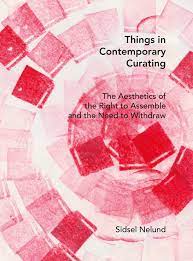
Through close readings of key exhibitions, Things in Contemporary Curating: The Aesthetics of the Right to Assemble and the Need to Withdraw develops a new aesthetic, an ‘aesthetics of the thing’. Here the word ‘thing’ is understood in its original meaning, namely as an object, a form of political gathering, and a topic. It encompasses exhibitions that use democratic meetings as a curatorial approach, and asks, If the exhibition space were a space for democratic gatherings, how would it look? The roots of this contemporary tendency ‘aesthetics of the thing’ are traced back, through an international historical gaze, to the organisation of exhibitions as alliance and solidarity-shaping events in the postwar era. Nelund shows how this development found its way into European and North American exhibition practices from the 1990s on, and is now integrated in the exhibition practices of places such as Haus der Kulturen der Welt in Berlin and MoMA in New York. The book offers ethnographic journeys into exhibitions such as Home Works Forum in Beirut, The Anthropocene Project in Berlin, Parliament of Bodies during Documenta 14, and Tricia Hersey’s The Nap Ministry in Atlanta. Via these participatory experiences, it becomes clear that the exhibitions shine by making space for differences and disagreements, and Nelund therefore appeals to the reader to ask, In spite of differences, what can we do together that we can’t do alone? And how?
Poprzez uważną lekturę kluczowych wystaw, Things in Contemporary Curating: The Aesthetics of the Right to Assemble and the Need to Withdraw rozwija nową estetykę, „estetykę rzeczy”. Tutaj słowo „rzecz” rozumiane jest w jego pierwotnym znaczeniu, a mianowicie jako przedmiot, forma zgromadzenia politycznego i temat. Obejmuje wystawy wykorzystujące demokratyczne spotkania jako podejście kuratorskie i zadaje pytanie: Gdyby przestrzeń wystawiennicza była przestrzenią dla demokratycznych zgromadzeń, jak by wyglądała? Korzenie tej współczesnej tendencji do „estetyki rzeczy” sięgają, poprzez międzynarodowe spojrzenie historyczne, do organizacji wystaw jako wydarzeń kształtujących sojusz i solidarność w okresie powojennym. Nelund pokazuje, w jaki sposób rozwój ten znalazł się w europejskich i północnoamerykańskich praktykach wystawienniczych od lat 90. XX wieku, a obecnie jest zintegrowany z praktykami wystawienniczymi miejsc takich jak Haus der Kulturen der Welt w Berlinie i MoMA w Nowym Jorku. Książka oferuje etnograficzne podróże po wystawach, takich jak Home Works Forum w Bejrucie, The Anthropocene Project w Berlinie, Parliament of Bodies podczas Documenta 14 i The Nap Ministry Tricii Hersey w Atlancie. Dzięki tym partycypacyjnym doświadczeniom staje się jasne, że wystawy błyszczą, tworząc przestrzeń dla różnic i nieporozumień, dlatego Nelund apeluje do czytelnika, aby zapytał: Pomimo różnic, co możemy zrobić razem, czego nie możemy zrobić sami? I jak?
Status dostępności:
Wypożyczalnia
Są egzemplarze dostępne do wypożyczenia: sygn. Kuratorstwo i Muzealnictwo 3 [Wypożyczalnia] (1 egz.)
Recenzje:
Pozycja została dodana do koszyka. Jeśli nie wiesz, do czego służy koszyk, kliknij tutaj, aby poznać szczegóły.
Nie pokazuj tego więcej